Regular tire rotation is one of the simplest ways to protect your tires, improve vehicle safety, and keep your ride feeling smooth. By moving tires to different positions on the vehicle at the right intervals, you help them wear more evenly instead of letting one pair do most of the work. This guide explains why rotation matters, how to choose the right tire rotation frequency, and what signs tell you it is time to schedule service.
How often should you rotate your tires?
Most drivers should rotate their tires about every 5,000 to 8,000 miles, or roughly every six months if they do not track mileage closely. The best answer to “how often should you rotate your tires” depends on your vehicle, drivetrain, tire type, driving habits, and manufacturer recommendations, so your owner’s manual should always be the first reference point.
A practical way to stay on schedule is to pair tire rotation with routine service. If your vehicle gets an oil change every 5,000 miles, that can also be a natural reminder for rotation. If you drive an electric vehicle, performance vehicle, all-wheel-drive vehicle, or regularly tow or travel on rough roads, you may need more frequent service.
Here is a helpful starting point:
- Sedans and everyday SUVs: often around every 5,000 to 7,500 miles.
- Electric vehicles: commonly around every 5,000 to 6,000 miles because instant torque can accelerate tire wear.
- Performance vehicles: often around every 3,000 to 5,000 miles, especially with aggressive driving or specialized tires.
- AWD, 4WD, towing, or off-road use: often around every 3,000 to 5,000 miles, or sooner if wear appears uneven.
- Low-mileage vehicles: consider rotating every six months, even if the odometer does not climb quickly.
These ranges are general guidance, not a substitute for the tire maker’s or vehicle maker’s recommendations. Still, they answer the common questions “how often do you need tire rotation” and “how often do you need a tire rotation” in a practical way: often enough to prevent one position from wearing far faster than the others.
Why regular rotation matters for safety and value
Tires do not wear evenly on their own. Front tires often handle more steering and braking force, while rear tires may experience different loads depending on the vehicle design. On front-wheel-drive vehicles, the front tires typically work especially hard because they handle steering, much of the braking, and power delivery.
Rotation spreads that work across all four tires over time. The result is more even tread depth, which helps the vehicle maintain predictable traction in rain, during hard stops, and around turns. Even wear can also reduce vibration and road noise, making the vehicle feel more stable and comfortable.
Regular rotation can also help you get more usable life from a tire set. If one pair wears out too quickly, you may be forced to replace tires sooner than expected. On some AWD vehicles, large differences in tread depth can also place extra stress on drivetrain components, which is why consistent tire maintenance tips often emphasize rotation, pressure checks, and alignment together.
Tire rotation patterns are not one-size-fits-all
The correct tire rotation pattern depends on how your vehicle sends power to the wheels and what kind of tires you have. Using the wrong pattern may not deliver the wear benefits you expect, and with directional or staggered tires, it can create problems.
Directional tires have tread designed to roll a specific way. You can usually identify them by arrows or “rotation” markings on the sidewall. Staggered setups, common on some performance vehicles, may use wider tires in the rear than in the front. In that case, the tires often cannot be moved front to rear.
If you are unsure, do not guess. A tire shop or service technician can confirm the right pattern, check whether your tires are directional, and inspect for wear that may point to other issues.
Signs it is time to rotate your tires
Mileage is the easiest reminder, but your vehicle may show signs before you reach the next interval. Knowing when to rotate tires can help you prevent minor wear differences from becoming expensive tire problems.
Watch for these clues:
- Uneven tread depth If the front tires look more worn than the rear tires, or one side looks more worn than the other, rotation is likely overdue. Use a tread depth gauge if possible, or ask for a measurement during routine service.
- Vibration at highway speeds Vibration can come from imbalance, uneven wear, tire damage, or alignment problems. Rotation may be part of the solution, but the tires should also be inspected and balanced if needed.
- Unusual tire noise Humming, thumping, or a sound that changes with speed can indicate uneven wear. Do not ignore new noises, especially if they appear with steering pull or vibration.
- Visible cupping or feathering Cupping looks like uneven scoops in the tread, while feathering feels like tread blocks are sharper on one edge than the other. These patterns often suggest alignment, suspension, or balance issues that rotation alone will not fix.
- You have reached a service milestone If you cannot remember the last rotation, it is probably time to check your records. A quick inspection can tell you whether the tires need to be moved now or monitored closely.
How driving conditions change tire rotation frequency
Two drivers with the same vehicle may not need the same schedule. Tire wear is shaped by roads, weather, load, and driving style. That is why a fixed mileage number is useful, but not perfect.
Urban stop-and-go driving can increase wear because tires repeatedly handle acceleration, braking, and turning at low speeds. Highway driving may be smoother, but high mileage accumulates quickly, making it easy to miss the ideal rotation window. Rough roads, potholes, gravel, and construction zones can also speed up uneven wear or knock alignment out of spec.
If you tow, carry heavy loads, drive in mountains, or use your vehicle for work, shorten the interval. Heavier demands create more heat and stress on the tires. In those cases, checking tread and pressure monthly is a smart habit, not overkill.
Tire rotation works best with other maintenance
Rotation is important, but it is only one part of tire care. For the best results, combine it with a few simple habits that support even wear and dependable handling.
Use this quick tire care checklist:
- Check tire pressure monthly. Underinflated and overinflated tires both wear unevenly and can affect handling.
- Measure tread depth. A basic tread depth gauge is inexpensive and more reliable than guessing by sight.
- Look for sidewall damage. Bulges, cuts, cracks, or embedded objects should be inspected promptly.
- Balance tires when needed. If you feel vibration, balancing may be necessary even if rotation is current.
- Check alignment if wear looks irregular. Rotation will not correct a vehicle that is pulling tires out of shape.
- Record every rotation. Keep a note in your phone, maintenance app, glovebox, or service receipt folder.
A good maintenance routine helps you spot issues early. For example, if your tires still wear unevenly after consistent rotations, the real problem may be alignment, suspension wear, incorrect pressure, or driving conditions. Catching that early can prevent a new set of tires from developing the same pattern.
Simple ways to remember your next rotation
Many drivers delay rotation not because it is difficult, but because it is easy to forget. Building a reminder system makes the habit automatic.
Try one of these methods:
- Link rotation to oil changes if your service interval is similar.
- Set a calendar reminder every six months for a tread and pressure check.
- Use your trip odometer after each service to track the next 5,000 miles.
- Save service receipts so you always know when the last rotation happened.
- Ask your shop to note tread depths at each visit so you can see wear trends.
If your vehicle has longer oil change intervals, do not assume tire rotation can wait that long. Some modern vehicles go many miles between oil services, but tires may still need attention sooner.
What to expect during a tire rotation
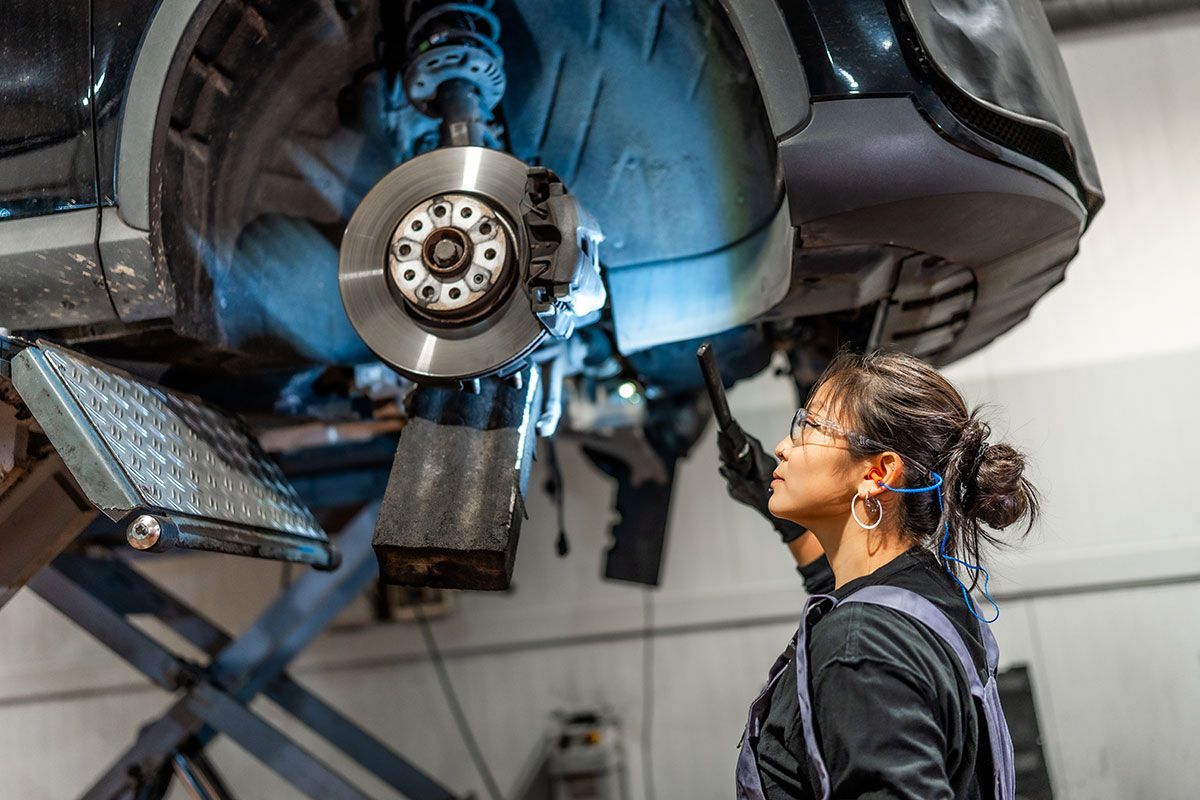
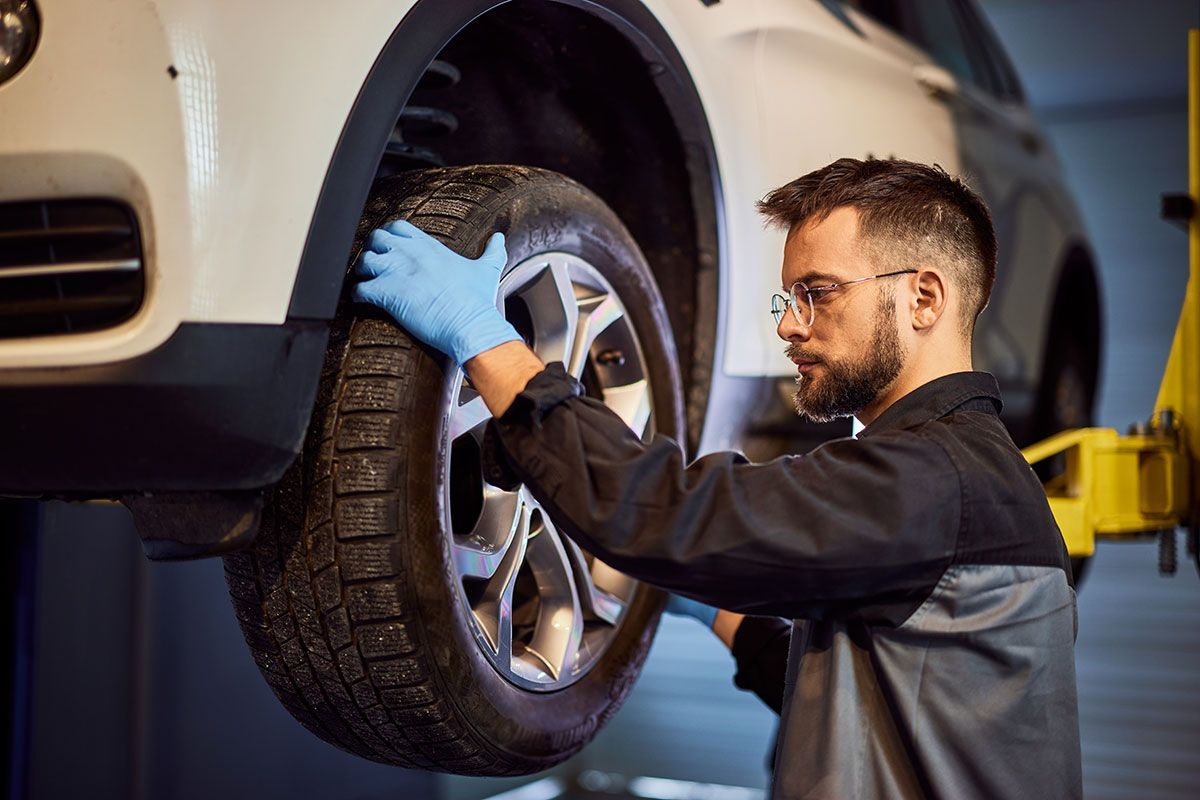
A basic tire rotation usually involves lifting the vehicle, removing each wheel, moving the tires according to the correct pattern, and torquing the lug nuts properly when the wheels are reinstalled. Many shops also inspect tread depth, tire pressure, and visible tire condition during the service.
This is a good time to ask whether the tires should be balanced or whether alignment should be checked. You do not need balancing at every rotation automatically, but vibration, uneven tread, or a recent pothole impact can make it worthwhile. Alignment is separate from rotation, yet the two are closely connected because poor alignment can quickly undo the benefits of rotating tires.
If you rotate tires yourself, use the correct lift points, jack stands, wheel chocks, and lug nut torque specification. Safety matters more than speed. When in doubt, have the work done by a professional.
The bottom line on tire rotation
Regular tire rotation helps your tires wear evenly, supports safer handling, and can delay premature replacement. For many drivers, the right tire rotation frequency is every 5,000 to 8,000 miles, while demanding vehicles or driving conditions may require shorter intervals.
The best approach is simple: follow your owner’s manual, watch for uneven wear, and combine rotation with pressure checks, tread inspections, balancing, and alignment when needed. A few minutes of planning can give you a smoother ride, more predictable traction, and better value from every set of tires.
Recent Posts