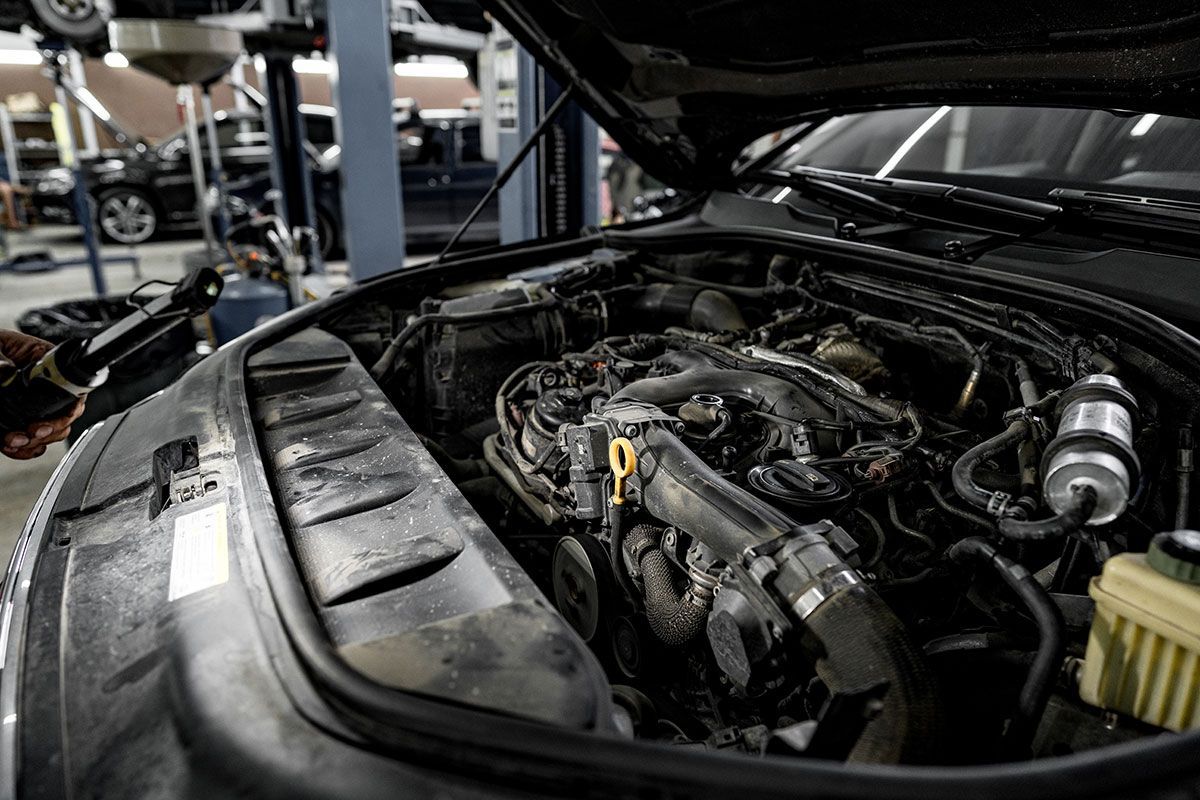
When your check engine light comes on, your vehicle is telling you that something in the engine, emissions, fuel, or sensor system needs attention. It may be a small issue, but it can also be an early warning sign of a problem that becomes more expensive if ignored. For drivers in Tennessee, Premier Tire can help take the guesswork out of an engine light on situation with professional engine diagnostics and practical repair guidance.
Understanding Why Your Engine Light Is On
The car engine light meaning is simple at first glance: your vehicle’s onboard computer has detected a fault or irregular reading. Modern vehicles constantly monitor systems such as fuel delivery, ignition, exhaust emissions, airflow, and engine performance. When something falls outside the expected range, the computer stores a trouble code and turns on the warning light.
That code does not automatically explain the whole problem. It points the technician toward the area that needs testing. For example, a code may mention an oxygen sensor, but the real cause could be a wiring issue, an exhaust leak, or a fuel mixture problem. That is why reading the code is only the beginning of a proper auto diagnostic service.
How serious is the check engine light?
If you are wondering how serious is the check engine light, the answer depends on how the light behaves and how the vehicle feels. A steady light usually means the vehicle has detected a problem that should be checked soon. A flashing light is more urgent and can indicate a condition that may damage the engine or emissions system if you continue driving.
Pay attention to warning signs around the light. If the vehicle is shaking, losing power, overheating, smoking, making unusual noises, or smelling like fuel or burning oil, it is safer to stop driving and get help. If the light is steady and the car seems normal, you may be able to drive a short distance, but you should still schedule diagnostics promptly.
A helpful way to think about severity is this:
- Flashing check engine light: Treat it as urgent. Reduce driving and seek service quickly.
- Steady light with rough driving: Schedule service as soon as possible because the problem is already affecting performance.
- Steady light with normal driving: Do not panic, but do not ignore it. A hidden issue may still be developing.
- Light plus other dashboard warnings: Get the vehicle checked before assuming it is safe.
Common reasons the engine light comes on
There is no single cause behind every engine light on warning. The system is designed to monitor many related parts, and one failing component can affect several others. That is why a good diagnosis looks at the code, the vehicle symptoms, and live data instead of relying on a quick guess.
Loose or damaged gas cap
One of the simplest causes is a loose, missing, or damaged fuel cap. Your vehicle’s evaporative emissions system is designed to keep fuel vapors contained. If the cap is not sealing correctly, the system may detect a leak and trigger the light.
If you recently filled up, check that the gas cap clicks into place and is not cracked or worn. The light may not turn off immediately, even after the cap is tightened, because the vehicle may need to complete another self-check. If it stays on, further diagnostics are still a smart move.
Oxygen sensor or airflow issues
Oxygen sensors help the engine control the fuel mixture by monitoring exhaust gases. The mass airflow sensor helps measure how much air is entering the engine. If either sensor gives inaccurate information, the engine may run too rich, too lean, or less efficiently than it should.
These problems can feel subtle at first. You might notice reduced fuel economy, hesitation, rough idle, or a lack of smooth acceleration. Left alone, sensor-related issues can put stress on other parts because the engine is no longer adjusting correctly.
Spark plugs, ignition coils, and misfires
A misfire happens when one or more cylinders do not burn fuel properly. Spark plugs, ignition coils, wiring, fuel injectors, or compression problems can all play a role. Misfires often create shaking, hesitation, poor acceleration, or a flashing check engine light.
This is one reason you should take a flashing light seriously. Unburned fuel can enter the exhaust system and create additional damage. A technician can use engine data, code information, and hands-on testing to determine whether the issue is ignition-related or caused by something deeper.
Emissions and exhaust system faults
The check engine system also monitors emissions-related components. Problems in the catalytic converter, evaporative emissions system, exhaust sensors, or related controls can trigger the light. You may not always feel a difference in how the vehicle drives, but the problem can still affect efficiency and environmental performance.
In many cases, emissions codes require careful testing. Replacing the part named in the code without confirming the cause can lead to unnecessary expense. Professional engine diagnostics help separate the symptom from the source.
Why diagnostics matter more than guessing
When the warning light appears, it is tempting to search the code online or replace the most commonly mentioned part. That approach can sometimes work by chance, but it can also waste time and money. A trouble code is not a final diagnosis; it is a starting point.
A proper diagnostic process may include:
- Scanning stored codes to identify which systems reported a fault.
- Checking freeze-frame data to see what was happening when the code appeared.
- Reviewing live engine data such as fuel trims, sensor readings, and temperature information.
- Inspecting related parts for loose connections, vacuum leaks, worn components, or visible damage.
- Testing before replacing parts so the repair addresses the true cause.
- Clearing codes and verifying the repair to make sure the light does not return for the same issue.
This kind of process is what separates a code read from a true auto diagnostic service. Premier Tire can help drivers understand what the vehicle is reporting, what should be checked next, and what repair path makes sense.
What should you do when the engine light is on?
When you see the engine light on, stay calm and make a quick safety check. The best next step depends on whether the light is steady, flashing, or paired with obvious driving problems. Your goal is to protect the vehicle while getting enough information to make a smart decision.
Use this simple checklist:
- Look at the dashboard. Check for temperature, oil pressure, battery, or brake warnings.
- Notice how the car feels. Rough idle, shaking, poor acceleration, or stalling should be taken seriously.
- Check the gas cap. Make sure it is tight and in good condition.
- Avoid hard driving. Until you know the cause, skip aggressive acceleration, towing, or long trips.
- Do not ignore a flashing light. Pull over safely if the car runs poorly and arrange service.
- Schedule diagnostics. Even if the car seems fine, the stored code should be evaluated.
If you are in Tennessee and need guidance, contacting Premier Tire for diagnostic support can help you avoid guesswork. A technician can explain what the code means in context and help you decide whether the issue needs immediate repair or planned service.
The risks of ignoring the warning
A check engine warning can be easy to postpone when the car still starts, steers, and stops normally. The risk is that small problems can affect larger systems over time. A minor air leak, sensor fault, or ignition issue can lead to poor fuel control, rough operation, and additional strain on the engine or exhaust system.
Ignoring the light may also make future diagnostics harder. If more codes appear later, it can be difficult to tell which problem came first. Addressing the warning early gives the technician a clearer picture and may help prevent avoidable repairs.
There is also the practical side. A vehicle with an unresolved warning light can be stressful to drive, especially before a road trip, commute, or family errand. Knowing what is wrong gives you confidence and helps you plan repairs instead of waiting for a breakdown.
What to expect from an auto diagnostic service
During an auto diagnostic service, the technician does more than plug in a scanner and read a number. The scan tool opens the conversation with the vehicle’s computer, but the real value comes from interpretation and testing. A trained technician looks for patterns, compares readings, and checks related systems before recommending a repair.
You can expect the shop to ask questions such as when the light came on, whether the car was recently fueled, whether it has been running differently, and whether any repairs were recently performed. These details help narrow the cause. The more information you share, the easier it is to connect the code to real-world symptoms.
At Premier Tire, the goal is to help drivers understand the issue clearly. Instead of treating the warning light as a mystery, diagnostics turn it into a repair plan. That plan may be simple, or it may require additional testing, but it should always be based on evidence rather than assumptions.
Preventing future check engine surprises
You cannot prevent every warning light, but regular maintenance can reduce the chances of avoidable problems. Engine systems work best when filters, fluids, spark plugs, belts, hoses, and sensors are in good condition. Small maintenance items often support larger systems.
Good habits include:
- Following the maintenance schedule recommended for your vehicle.
- Replacing worn spark plugs and filters when needed.
- Addressing rough idle, hard starts, or fuel smell early.
- Keeping the fuel cap in good condition.
- Scheduling service when performance changes, even before a light appears.
- Having warning lights diagnosed rather than cleared without repair.
Tennessee driving can include hot weather, stop-and-go traffic, hills, and long highway miles, all of which can make vehicle condition more important. Staying ahead of maintenance helps your car respond better to everyday driving demands.
A warning light is a message, not a diagnosis
The most important takeaway is that an illuminated engine light should not be ignored, but it also should not automatically cause panic. The light means your vehicle has information to share. Professional engine diagnostics translate that information into practical next steps.
If your
check engine light is steady, flashing, or returning after being cleared, let Premier Tire take a closer look. With the right diagnostic approach, you can understand the cause, protect your vehicle, and get back on the road with more confidence.
Recent Posts