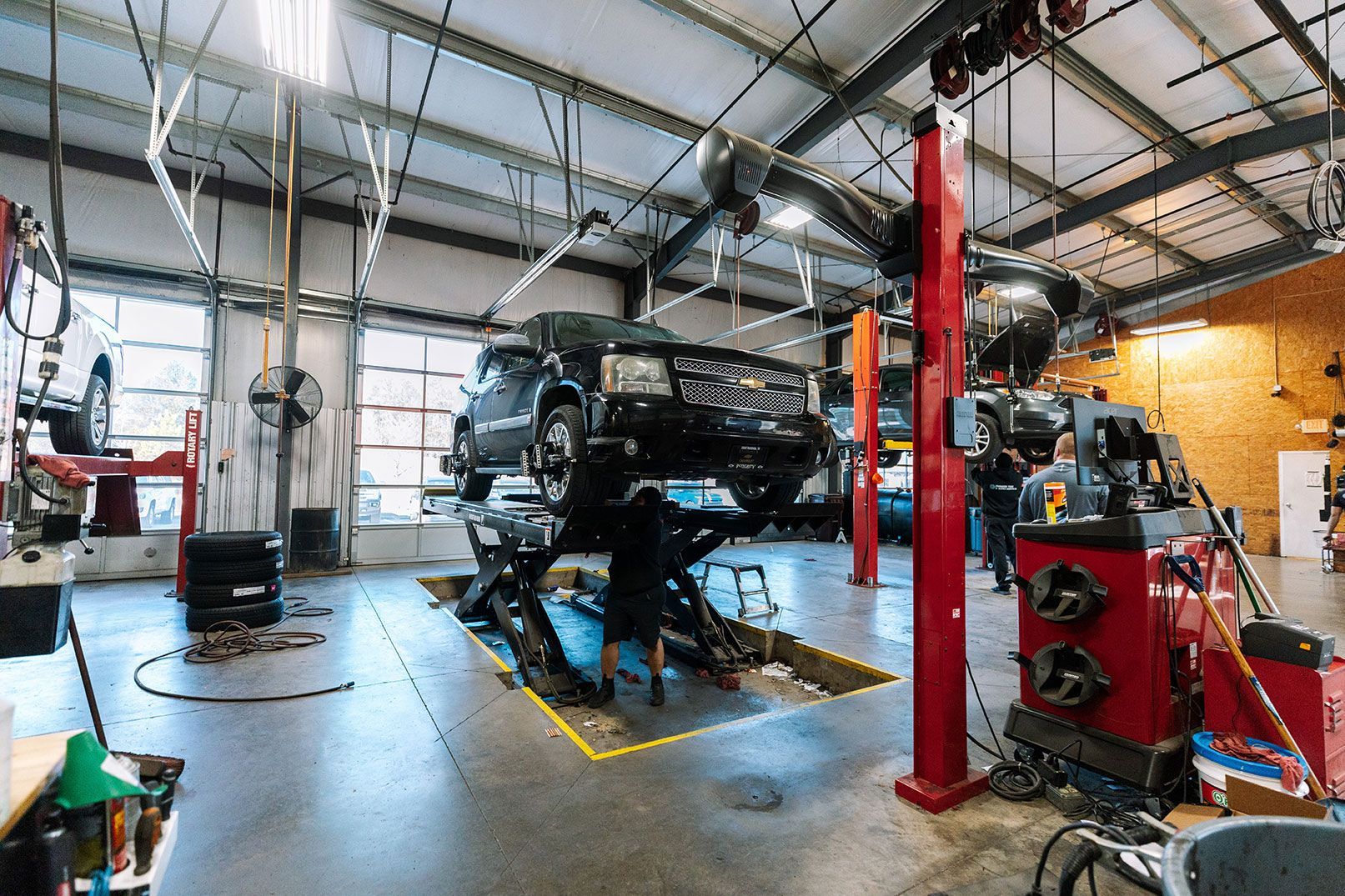
Your vehicle’s braking system is one of its most important safety features, and keeping it in good condition starts with regular attention. A brake inspection helps identify worn parts, unusual noises, fluid concerns, and performance changes before they turn into bigger repair needs. For drivers in Tennessee wondering where to get my brakes checked, a trusted local shop such as Premier Tire can help you understand what your brakes need and when service makes sense.
Why are brake inspections so important?
Brake inspections are important because they help confirm that your vehicle can slow down and stop as expected in everyday driving and sudden situations. Even when your car feels normal, parts like car brake pads, rotors, calipers, and brake fluid can wear gradually, making problems easy to miss until stopping performance changes.
A good inspection is not just a quick glance at the wheels. It is a chance to look at how the entire brake system is working together. When one component wears unevenly or becomes damaged, it can affect other parts and lead to more expensive repairs later. Routine checks can also help you plan service before worn brake pads and rotors create noise, vibration, or reduced control.
Drivers often wait until they hear a squeal or feel a shake before thinking about brakes. Those warning signs matter, but the best time to inspect your brake system is before symptoms become severe. If you commute, drive in hilly areas, tow, carry heavy loads, or sit in stop-and-go traffic, your brakes may wear faster than you expect.
The brake system works as a team
Your brakes depend on several parts working together every time you press the pedal. The brake pedal sends force through the system, brake fluid transfers pressure, calipers or wheel cylinders apply clamping force, and pads or shoes create friction against rotors or drums. That friction is what helps bring the vehicle to a stop.
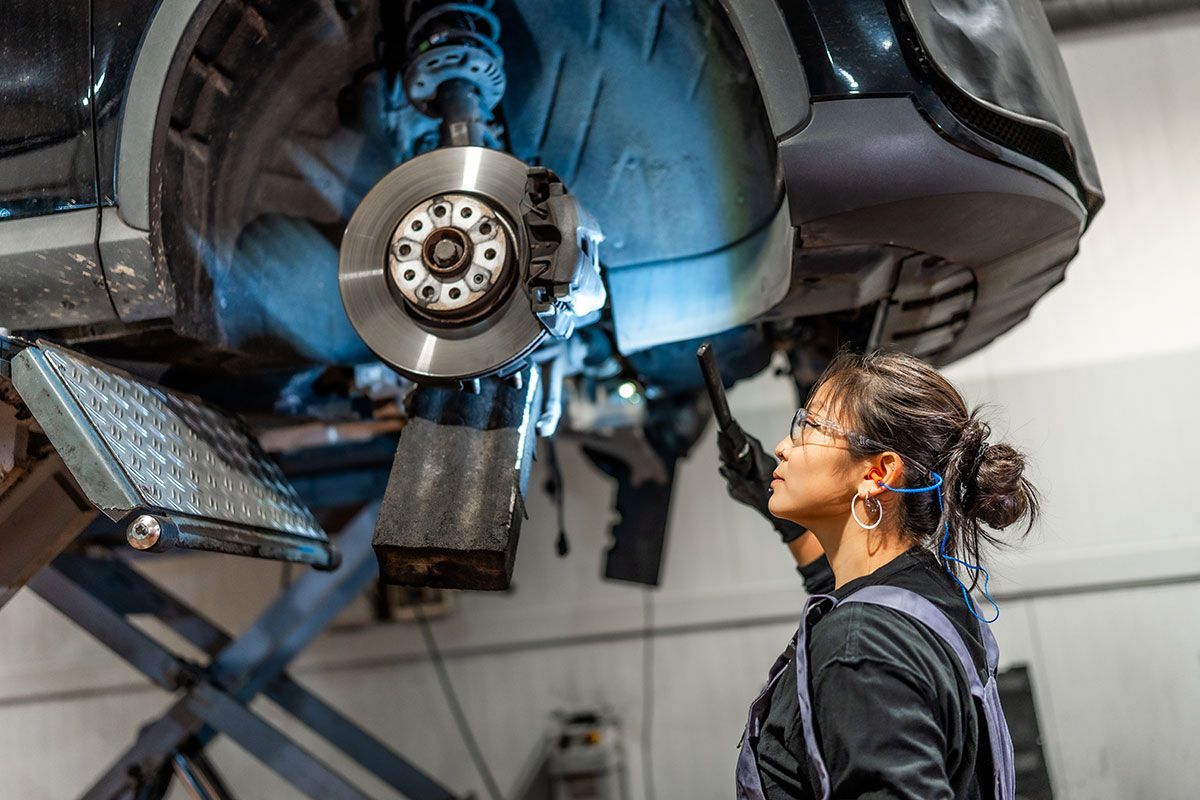
The most commonly discussed parts are brake pads and rotors. Brake pads are designed to wear down over time because they press against the rotors during stopping. Rotors are metal discs that need to remain smooth and even enough for the pads to grip properly. If the pads wear too far, the rotors can become scratched, grooved, or overheated.
A brake inspection may also include hardware, hoses, fluid condition, parking brake operation, and signs of leaks. These details matter because braking problems are not always caused by the most obvious part. A sticking caliper, contaminated fluid, or uneven rotor surface can all affect how the vehicle stops.
Common signs your brakes need attention
Brake issues often announce themselves through sound, feel, or changes in stopping behavior. Not every symptom means you need a major repair, but each one deserves attention. Ignoring early signs can allow minor wear to become damage to related components.
Watch for these common brake warning signs:
- Squealing or screeching: High-pitched noise can indicate worn pads or a built-in wear indicator contacting the rotor.
- Grinding: A harsh metal-on-metal sound may mean the pads are worn down and the rotors are being damaged.
- Vibration or pulsing: A shaking steering wheel or brake pedal can point to uneven rotor surfaces or other brake concerns.
- Longer stopping distance: If your vehicle needs more space to stop, the system should be checked promptly.
- Soft or spongy pedal feel: This may involve brake fluid, air in the lines, or another hydraulic system issue.
- Pulling to one side: Uneven braking can suggest a caliper, pad, rotor, or tire-related issue.
- Brake warning light: Dashboard alerts should never be ignored, even if the vehicle still seems to stop normally.
These symptoms can appear gradually, so it helps to pay attention to how your car feels when it is working correctly. When something changes, scheduling a brake inspection gives you a clearer answer than guessing based on sound alone.
What happens during a brake inspection?
During a brake inspection, a technician checks the visible and functional condition of the braking system to see whether parts are wearing normally and whether repairs are needed. The goal is to identify safety concerns, explain what is urgent, and help you plan the right service for your vehicle.
A typical inspection may include looking at brake pad thickness, rotor condition, caliper movement, brake hoses, fluid level, leaks, and hardware. The technician may also consider symptoms you have noticed, such as noise, vibration, or reduced stopping response. This combination of visual checks and driver feedback helps create a more accurate picture.
If parts are still in usable condition, you may simply be advised to monitor them and return for future service. If components are worn or damaged, the shop can explain whether you need brake pads, resurfacing where appropriate, new rotors, or a brake pads and rotors replacement. The best recommendation depends on the condition of the parts, the vehicle design, and how the braking system is performing.
Brake pads and rotors need balanced care
Brake pads and rotors are closely connected, so it is important to consider them together. Replacing pads without evaluating the rotors can lead to noise, uneven wear, or poor contact if the rotor surface is damaged. On the other hand, replacing rotors when they are not needed may add unnecessary cost.
Car brake pads come in different materials and designs, but all are meant to create controlled friction. As they wear, they lose thickness and may become less effective. Rotors can also wear, develop grooves, or become uneven from heat and pressure. When the two surfaces no longer meet properly, braking can feel rough, noisy, or less predictable.
A professional recommendation should explain why a specific repair is being suggested. If brake pads are worn but rotors are still in good condition, the service may be more limited. If the rotors are too worn, warped, or damaged, brake pads and rotors replacement may be the better long-term solution.
Driving habits affect brake wear
How and where you drive has a major effect on how long brake parts last. A driver who mostly travels open highways may see different wear than someone who drives through town, stops frequently, or navigates steep roads. Tennessee drivers may experience a mix of rural roads, city traffic, hills, wet weather, and seasonal temperature shifts, all of which can influence braking demands.
Heavy braking creates more heat and friction. Carrying extra weight, towing, or driving in mountainous areas can also increase wear. Even small habits, like riding the brake pedal downhill or braking hard at the last second, can shorten the life of brake components.
To help reduce unnecessary brake wear:
- Look ahead in traffic so you can slow down gradually instead of braking suddenly.
- Avoid riding the brakes on long downhill stretches when safer driving techniques are available.
- Keep tires properly maintained because tire condition affects traction and stopping control.
- Address warning signs early before worn pads damage rotors or related parts.
- Follow service recommendations based on your vehicle, driving habits, and inspection results.
Good driving habits do not eliminate normal wear, but they can help your brake system work more smoothly and predictably.
Where should I get my brakes checked?
If you are asking where to get my brakes checked, choose a shop that can inspect the full brake system, explain findings clearly, and recommend service based on condition rather than guesswork. Premier Tire is a relevant option for drivers looking for brake service in Tennessee, especially when you want a local team to evaluate symptoms and help you decide what comes next.
A dependable brake service visit should leave you with more clarity, not more confusion. You should understand what was inspected, what parts are worn, whether the issue is urgent, and what repair options are available. If you need brake pads and rotors, ask how the technician determined that both are required.
It is also reasonable to ask questions. A good shop should be able to explain the difference between normal wear and a safety concern, show or describe what they found, and help you prioritize repairs if more than one issue is present. Brake work is too important for vague answers.
Waiting can make brake repairs more expensive
Postponing brake repair may feel convenient in the moment, but it can create bigger problems. Worn brake pads can damage rotors. A rotor problem can cause vibration and uneven braking. A fluid leak or hydraulic issue can affect pedal feel and stopping ability. What begins as a routine service need can become a more involved repair when ignored.
The safety concern matters even more than the cost. Brakes need to respond consistently when traffic changes, roads are wet, a driver ahead stops suddenly, or an animal crosses the road. If you already know your brakes are noisy, pulsing, grinding, or slow to respond, scheduling service is the practical next step.
You do not need to diagnose the problem yourself. In fact, guessing can lead to replacing the wrong part or overlooking a related concern. A brake inspection gives you a professional starting point, so you can make decisions based on the condition of your vehicle.
A simple brake care checklist
Regular awareness helps you catch small issues before they become stressful. You do not have to be a mechanic to notice changes in your brake system. You simply need to pay attention and schedule service when something feels different.
Use this quick checklist between service visits:
- Listen for squealing, scraping, grinding, or clicking when braking.
- Notice whether the brake pedal feels firm, soft, spongy, or lower than usual.
- Pay attention to shaking in the steering wheel or pedal during stops.
- Watch for dashboard brake or ABS warning lights.
- Look for fluid spots near the wheels or under the vehicle.
- Take note if the vehicle pulls to one side when braking.
- Schedule an inspection before long trips if you have noticed any change.
This checklist is not a replacement for professional service, but it can help you describe symptoms clearly when you arrive at the shop. The more detail you provide, the easier it is for a technician to understand what you are experiencing.
Brake service supports confidence behind the wheel
Brakes are easy to take for granted when they work well. You press the pedal, the vehicle slows, and the system quietly does its job. But because the wear happens gradually, regular inspections are one of the smartest ways to protect your vehicle, your passengers, and your peace of mind.
Whether you need a routine brake inspection, new brake pads, rotor evaluation, or brake pads and rotors replacement, timely service helps prevent small problems from becoming larger ones. For Tennessee drivers, Premier Tire can be part of a practical maintenance plan that keeps brake care from becoming an emergency.
If your brakes are making noise, your pedal feels different, or you simply do not remember the last time they were checked, do not wait for the symptoms to get worse. Schedule a brake inspection and get clear answers about what your vehicle needs next.
Recent Posts