Car coolant carries heat away from the engine and helps protect the cooling system against freezing, overheating, and corrosion. Keeping the correct fluid at the correct level is an important part of engine maintenance, not just a winter precaution. Understanding coolant specifications, safe inspection, and replacement requirements helps you make better decisions before a temperature warning interrupts your drive.
Why is car coolant important for your engine?
Car coolant helps control engine temperature by absorbing heat as it circulates through the engine and releasing that heat through the radiator. Its antifreeze ingredients provide freeze protection, while its additives help protect internal surfaces against corrosion. Water alone cannot provide that same combination of protection throughout the year.
The fluid works alongside several components. A water pump circulates it, the thermostat regulates flow through the radiator, and airflow carries heat away. The cooling fan helps provide that airflow when the vehicle is stationary or moving slowly. Fresh radiator coolant cannot compensate for a failed pump, stuck thermostat, or inoperative fan.
The goal is a controlled operating temperature, not the lowest possible reading. Follow your vehicle’s guidance for interpreting coolant temperature rather than assuming one number applies to every engine. If overheating returns after topping up, have the system checked instead of treating additional fluid as the repair.
Which coolant types are right for your car?
The right engine coolant is the product that meets your vehicle manufacturer’s specified requirements. Start with the owner’s manual and match its specification to the bottle label. Coolant types describe different additive technologies, but a broad category or familiar color is not enough to establish compatibility.
You will commonly encounter these terms:
- IAT, or inorganic additive technology: A conventional formulation associated with many older vehicles, commonly using silicate-based corrosion inhibitors.
- OAT, or organic acid technology: A formulation using organic-acid corrosion inhibitors, with products designed for particular manufacturer requirements.
- HOAT, or hybrid organic acid technology: A family combining organic-acid technology with other inhibitors. Phosphated and silicated variants serve different applications.
These are categories, not a good-better-best ranking. A hybrid formulation is not automatically an upgrade for a vehicle designed around another chemistry. Different formulations can also share similar colors, so choose by specification rather than appearance. Mixing incompatible products can compromise protection and may require corrective flushing.
Concentrate and premixed coolant need different handling
Premixed coolant already contains water at its labeled concentration. Concentrate requires dilution according to the vehicle and product instructions; a 50:50 mixture is common, but your manual takes priority. Use the specified distilled or deionized water rather than assuming tap water is suitable, because mineral content can contribute to deposits and corrosion.
Do not add extra water to a ready-to-use product unless the procedure specifically requires concentration adjustment. Equally, do not assume undiluted concentrate provides better protection. Correct concentration matters as much as selecting the correct formulation.
Checking coolant safely between services
Check the level with the engine fully cold, following the owner’s manual. Hot cooling systems are pressurized, and opening a radiator or reservoir cap can release scalding liquid and steam. A quick inspection is never worth that burn risk.
Use this inspection routine:
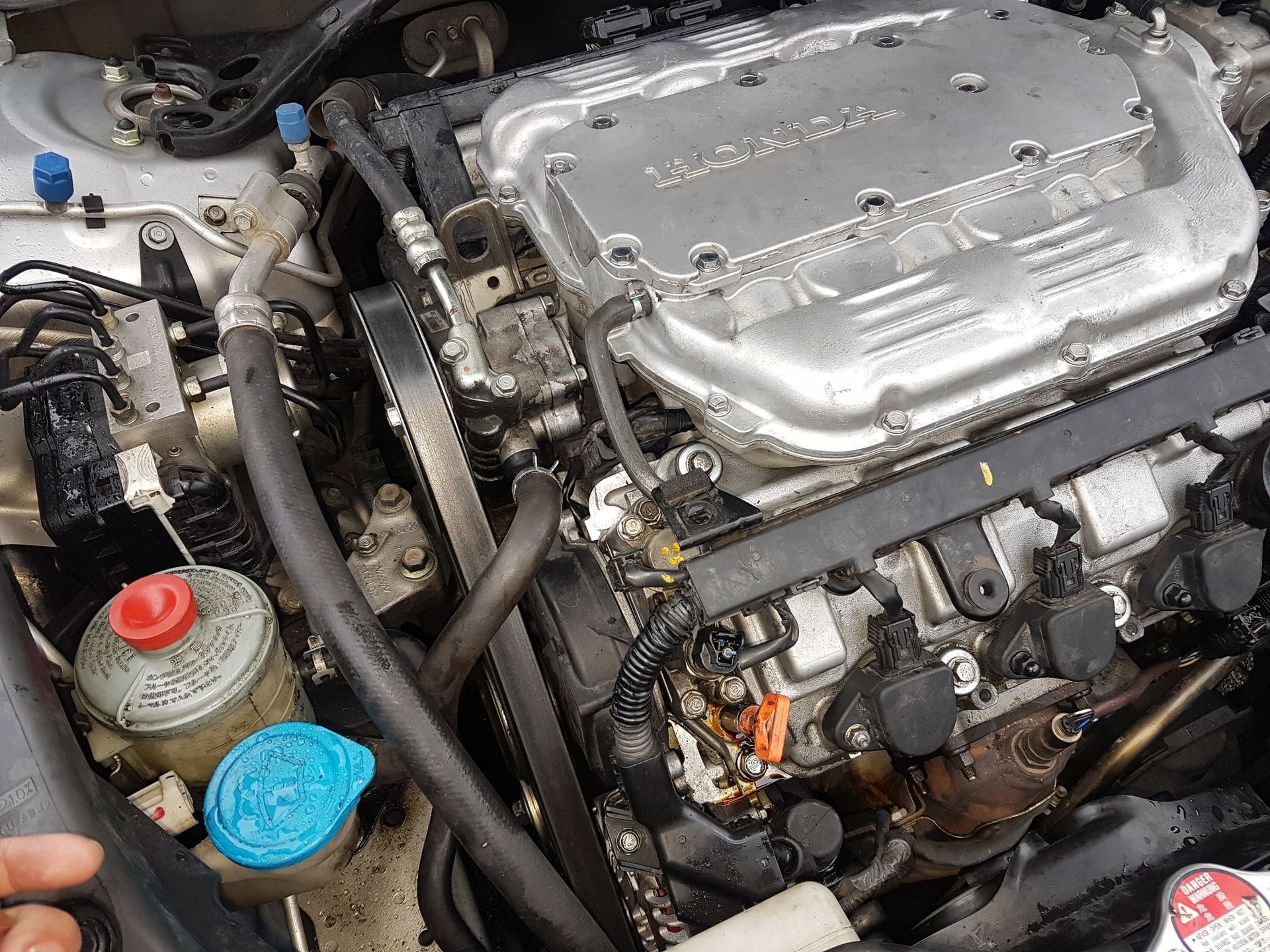
- Identify the correct reservoir. Locate it using the manual; do not confuse coolant with windshield washer fluid or another reservoir.
- Read the cold-level markings. Compare the fluid with the indicated minimum and maximum marks or cold-fill range.
- Look without disturbing hot components. Note visible leaks, residue, or obvious contamination for further inspection.
- Top up only as directed. Use the approved fluid and fill point, avoid overfilling, and secure the cap correctly.
- Recheck after subsequent drives, once cold. A level that keeps dropping needs investigation rather than repeated topping up.
If the reservoir is empty, consult the vehicle-specific instructions before adding fluid or driving. Some systems require professional checking because air may have entered. A reservoir-level check also does not establish whether the mixture has adequate freeze protection; concentration requires suitable testing.
Warning signs that deserve attention
A rising temperature gauge or overheating warning requires prompt action. Pull over somewhere safe and shut the engine off if it is overheating. Do not continue driving to see whether the reading improves, and do not open a hot cooling-system cap. Arrange assistance if the cause is uncertain or the warning returns.
Other reasons to arrange an inspection include recurring coolant loss, visible leaks, and overheating despite an apparently adequate level. A cooling-system problem can involve circulation or airflow, not just fluid quantity. Reporting when it happens, such as in slow traffic, can help the technician investigate the circumstances.
Treat appearance as a clue, not a diagnosis. Some coolant changes color during normal service without needing replacement, while contamination warrants investigation. Check the maintenance history and manufacturer guidance rather than judging remaining service life from color alone.
When do you need coolant replacement or a coolant flush?
Coolant replacement is due at the vehicle manufacturer’s specified time or mileage interval, whichever comes first. A coolant flush is a cleaning procedure that may be necessary for contamination, incompatible fluid, or a specified service process; it is not automatically required at every replacement. Use the maintenance schedule and the system’s condition to guide the decision.
There is no reliable universal rule that every vehicle needs new coolant every two or three years. Manufacturer schedules can distinguish between coolant formulations and between the initial fill and later changes. Your service record should therefore show the product used, service date, mileage, and next scheduled replacement.
If the history is unknown, ask a technician to establish the correct specification and maintenance needs. Before approving a flush, ask what problem it addresses and whether it follows the vehicle’s service procedure. That keeps the discussion focused on necessary work rather than a generic package.
What a proper replacement involves
A coolant change is more than opening a drain and pouring in fresh fluid. Replacement procedures must account for old coolant remaining in the system, the final concentration, and air removal. Use the vehicle-specific service instructions rather than copying a procedure intended for a different model.
For a capable DIY owner, these are the main checkpoints:
- Prepare before draining. Confirm the required specification, quantity, procedure, tools, protective equipment, and disposal arrangements. Start with a cold engine.
- Capture the old fluid. Use an appropriate container and follow the specified drain locations. A radiator drain alone may leave fluid elsewhere in the system.
- Flush only as directed. Follow approved cleaner and rinsing instructions where cleaning is required. Account for retained rinse water when establishing the final mixture.
- Refill and remove air correctly. Follow the specified filling and bleeding process. Depending on the system, this may involve particular equipment or a vacuum-fill procedure.
- Verify after cooling. Check the cold level, look for leaks, and confirm normal operation before considering the job complete.
Inspect the pressure cap rather than replacing it automatically at every service. Damaged seals or other deterioration can justify replacement, using the correct part. If the filling procedure is unclear or requires equipment you lack, professional service is the safer choice.
Safe handling is part of the job
Keep new and used coolant away from children and animals. Common ethylene-glycol antifreeze poses a serious poisoning hazard if swallowed. Clean up spills promptly and store collected fluid securely in clearly labeled containers, never beverage bottles.
Do not pour used coolant onto the ground, into drains, or into household trash. Contact a local household hazardous-waste program or recycling facility to confirm its acceptance requirements before starting the job. Keep antifreeze separate from other waste fluids unless the receiving facility specifically instructs otherwise.
Make coolant care a routine
The essentials are straightforward: use the specified coolant, check it cold, follow the replacement schedule, and investigate recurring loss or overheating. Those habits support the whole coolant system rather than treating the reservoir level as the only thing that matters. Start with your owner’s manual and last service record—the two most useful references for planning your next check.
Recent Posts