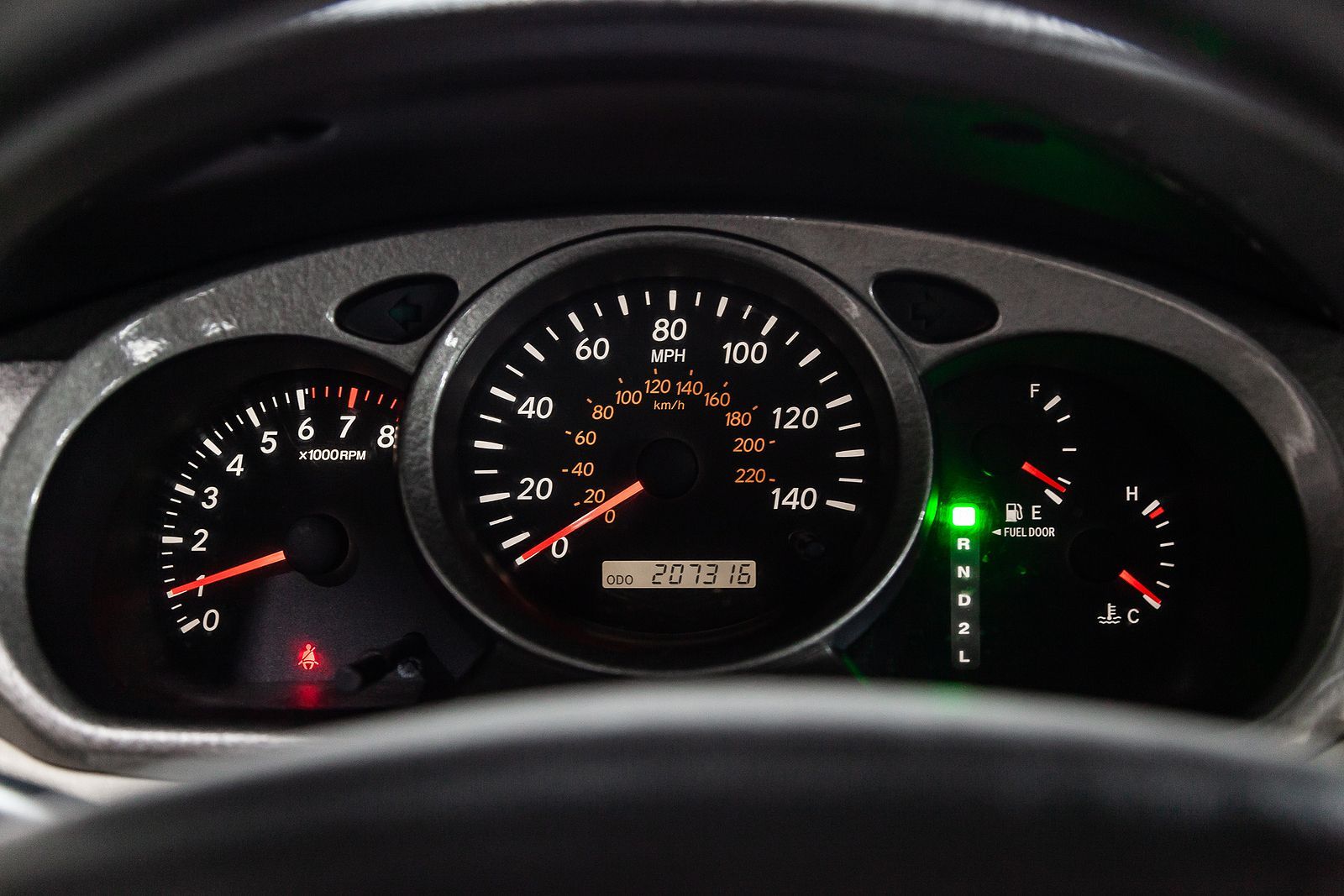
Fall weather in many areas can bring a large fluctuation in temperatures between daytime and nighttime. These changes in temperature can cause your tires to lose pressure as the air inside them expands and contracts. This triggers the “Check Tire Pressure” light on your dashboard. This light is known as the TPMS, or Tire-Pressure Monitoring System. For many of us, this light can be an alarming surprise. However, there is no need to panic. The light does not necessarily mean your tires are leaking.
Tire Pressure Facts
During the fall season, when daytime temperatures are much higher than at night, keeping your tire pressure consistent can be a challenge. As temperature levels change, so does the air pressure in your tires. It’s the same as when you drive at higher speeds for an extended period: the tire warms, and the air within expands and increases pressure.
In the morning, the air temperature is just rising from overnight lows, and your tires are still cool from being parked. The air pressure in the tire is at its lowest for the day. More than likely, the pressure is just below the threshold for the light to be activated. Once you start driving and the tires heat up, pushing the pressure above the threshold, the light will go out. If the light remains off for the rest of the day, it’s because the air temperature is warm enough to keep the pressure above the threshold. Even if the light goes off quickly, you still may need to add a small amount of air to your tires since the pressure must be near the borderline of the recommended inflation level.
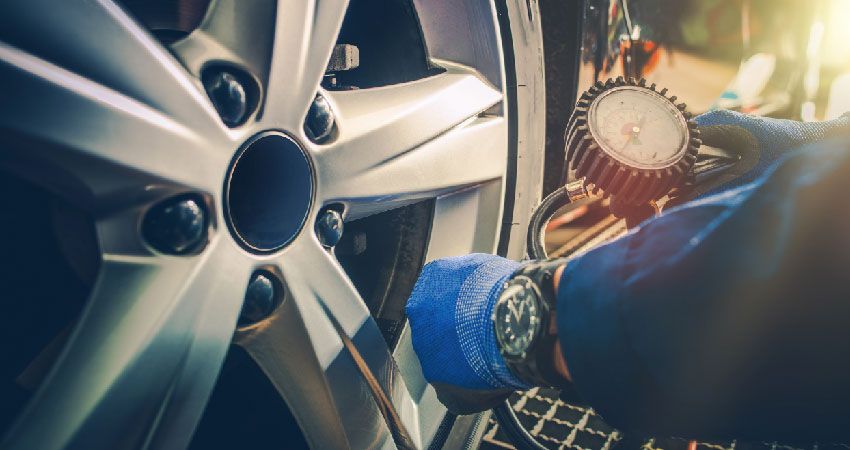
Checking your tire pressure and adding air is a simple task, but you must have the proper equipment. To check the pressure, you will need a high-quality pressure gauge. Compare the pressure in your tires to your owner’s manual or the sticker on the doorjamb of your car and add air accordingly using a compressor.
For any questions or tips, feel free to come by our shop. We have the equipment and knowledge necessary to ensure your tires are properly inflated.
Recent Posts