Nissan Altima Brake Repair: Common Signs and What They Mean
The Nissan Altima is one of the most popular sedans on the road thanks to its comfort, smooth ride, and fuel efficiency. But even reliable vehicles need regular brake maintenance, and the Altima is known for certain brake issues that can show up earlier than expected.
If you’ve noticed noises, vibrations, or changes in braking performance, it may be time for a professional brake inspection.
At Premier Tire & Auto Repair, our ASE-certified technicians are experienced in diagnosing and repairing brake problems on all Nissan models, including the Altima. Here’s what every Altima owner should know about brake symptoms, service intervals, and repair options.
Why Brake Problems Are Common in Nissan Altimas
While the Altima is well-engineered, its brake system tends to wear faster than other sedans due to:
- Lightweight rotor design
- Frequent stop-and-go driving
- Soft brake pad compounds
- Electronic braking assistance systems
These factors can lead to more frequent pad and rotor replacements.
Top Symptoms Your Nissan Altima Needs Brake Repair
1. Squealing or Squeaking When Braking
This is the most common early warning sign.
Squealing usually means your brake pads are worn and the wear indicator is scraping the rotor.
Fix: Brake pad replacement (before rotor damage occurs)
2. Grinding Noise When Braking
Grinding means the brake pads are completely worn out and metal is contacting metal.
This accelerates rotor damage and reduces stopping power dramatically.
Fix: New brake pads + rotor replacement (or machining, depending on thickness)
3. Vibration or Pulsation in the Brake Pedal
If you feel shaking or pulsing while braking, this indicates warped or uneven rotors. Altimas are particularly susceptible to rotor warping.
Fix: Rotor replacement or resurfacing + pad inspection
4. Soft or Spongy Brake Pedal
A soft pedal typically points to air in the brake lines or a failing master cylinder.
In some Altimas, moisture-contaminated brake fluid is common due to missed fluid flushes.
Fix: Brake fluid flush or hydraulic system repair
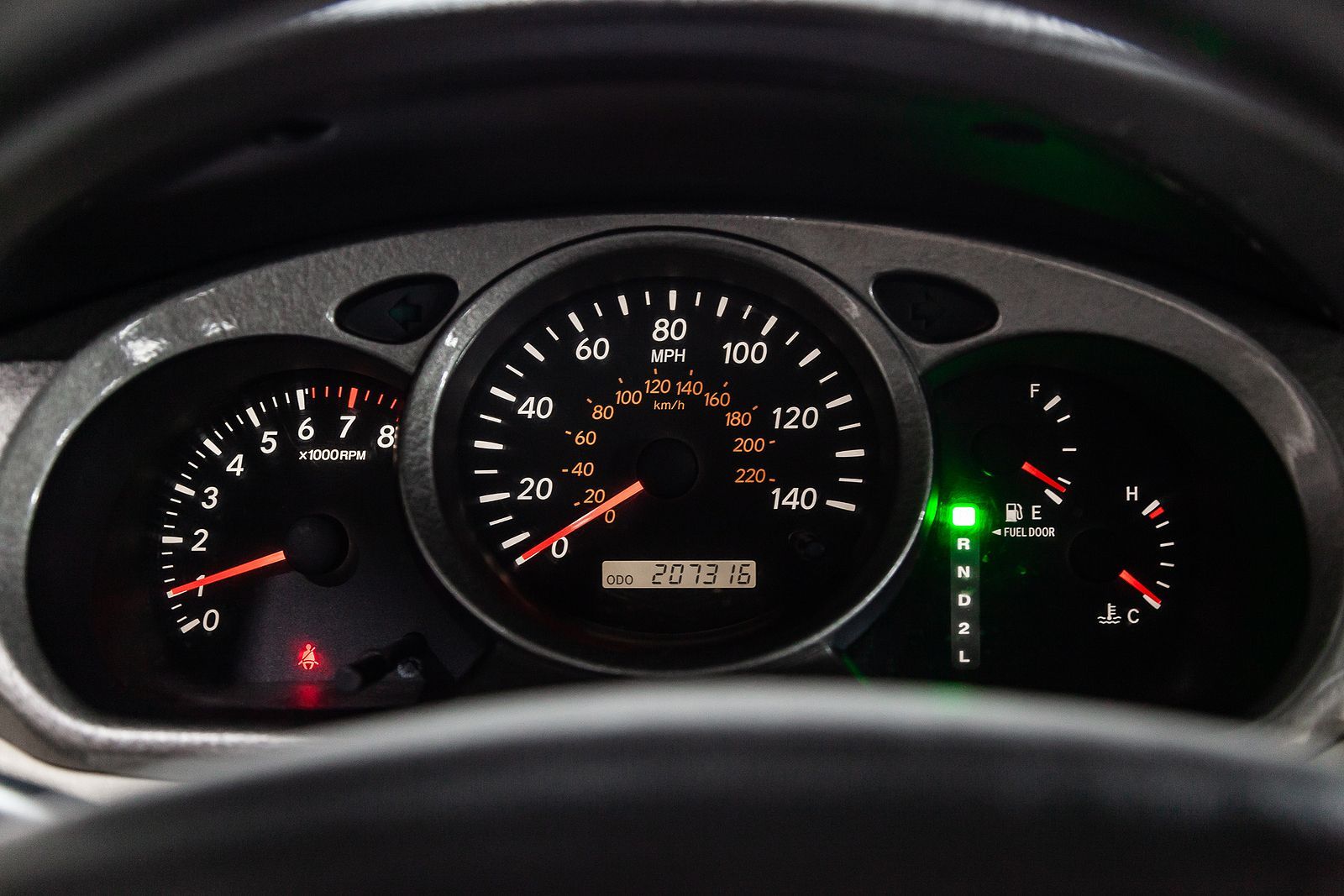
5. ABS or Brake Warning Light On
Dashboard warning lights often indicate issues with:
- ABS sensors
- Brake fluid level
- Brake module communication
- Worn pads (in newer models)
Fix: Diagnostic scan + brake system inspection
How Often Should Nissan Altima Brakes Be Serviced?
General guidelines for Altima brake maintenance:
Brake Pads:
Every 30,000–50,000 miles, depending on driving conditions.
Rotors:
Every 50,000–70,000 miles, or whenever you feel pulsation.
Brake Fluid:
Every 2 years or 30,000 miles, essential for responsiveness and safety.
Visual Inspections:
At every oil change or tire rotation.
Premier Tire & Auto Repair offers free brake inspections, so you always know the condition of your braking system.
Why Choose Premier Tire & Auto for Nissan Altima Brake Repair?
- ASE-certified brake specialists
- OEM-quality pads and rotors
- Modern diagnostic tools for ABS/warning light issues
- Fast turnaround on most brake jobs
- Honest recommendations with no unnecessary repairs
We take pride in keeping your Nissan Altima safe and road-ready.
Schedule Nissan Altima Brake Repair Today
If you hear unusual noises, feel vibration, or your brake warning light is on, don’t wait.
Brake problems get worse and more expensive the longer they go.
Expert brake repair
Competitive pricing
Fast, friendly service
Contact Premier Tire & Auto Repair or schedule your brake inspection today!
Recent Posts